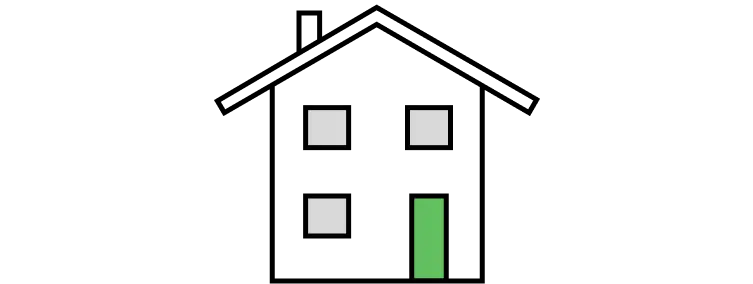
Detached
£546,151
46% above the Cambourne average
32.8% of sales

The average house price in Cambourne is £373,029, based on 126 homes sold in the 12 months to September 2026. Prices are up 0.7% (£2,435) on a year earlier.
Sold prices from HM Land Registry, not asking prices. How we calculate this
Average sold price by property type, and each type's share of recent sales.
£546,151
46% above the Cambourne average
32.8% of sales
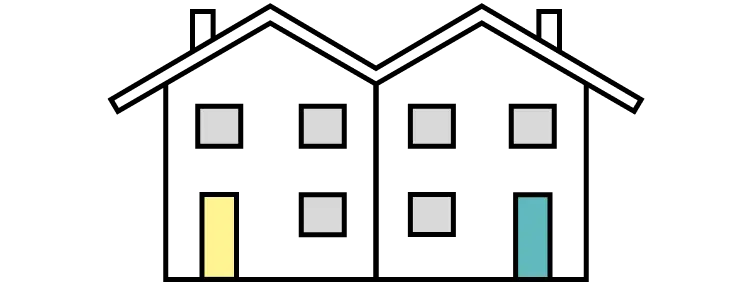
£335,568
10% below the Cambourne average
18.2% of sales
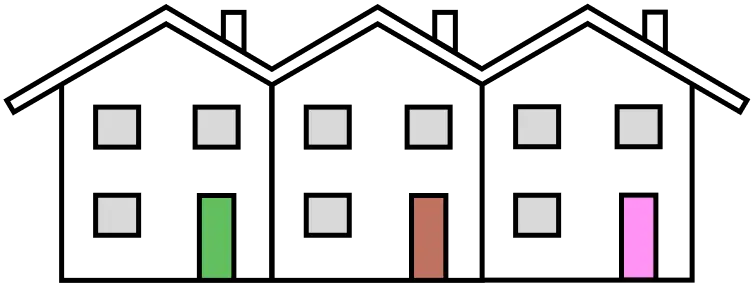
£329,604
12% below the Cambourne average
31.3% of sales
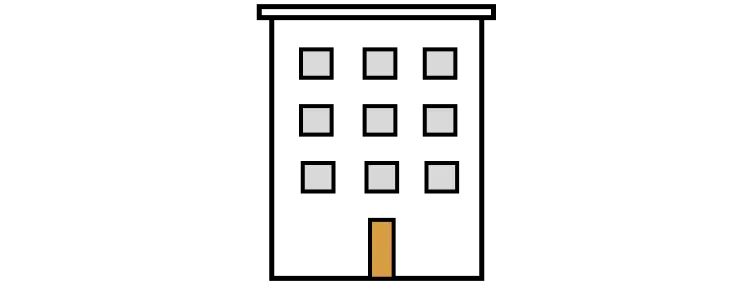
£156,556
58% below the Cambourne average
17.7% of sales
House prices in Cambourne are rising: up 0.7% (£2,435) over the past year. Over the past 10 years, prices are up 22.4% (£68,143).
+0.7%
+£2,435From £370,594 to £373,029
+22.4%
+£68,143From £304,886 to £373,029
9 key facts at a glance.
£499,714
126
Detached houses
£300k - £400k
12,098
Population density is Very High, on a scale from Very Low to Very High.
Usual residents, including communal establishments.
4,263
Household density is Very High, on a scale from Very Low to Very High.
Occupied households, not communal establishments.
17 m² per resident
3.7% of the area · 2 public parks. Parks, playing fields, allotments and other public green space, not counting golf courses. Contains OS data © Crown copyright and database right 2026.
52 crimes per 1,000 residents
Crime rate is Typical, on a scale from Very Low to Very High.
Contains public sector information licensed under the Open Government Licence v3.0. Source: police.uk.
97th most expensive area of South Cambridgeshire.
Compared with 103 areas
The highest recorded sale prices in Cambourne, from HM Land Registry.
#1 Most expensive sale
£4,465,284
Sold December 2019
View house detailsCambourne compared with the 6 nearest other areas in South Cambridgeshire.
Open comparison
Open comparison
Open comparison
Open comparison
Open comparison
Open comparison
There's a lot to think about. Whether it's a home to live in or a buy-to-let, our free checklist walks you through what to check before you make an offer.
What to check before you buyPrice information is from HM Land Registry, location boundaries are from OpenStreetMap, and households and population are from Nomis Census 2021 postcode estimates (21 March 2021). Parks and green space are from OS Open Greenspace. Contains OS data © Crown copyright and database right 2026. Crime is from police.uk street-level data. Contains public sector information licensed under the Open Government Licence v3.0. Source: police.uk.
Last updated 6 November 2026 at 00:30 with the latest Land Registry data (September 2026). The Cambourne dataset covers 443 postcodes.
Contains HM Land Registry data © Crown copyright and database right 2026. This data is licensed under the Open Government Licence v3.0.
About·Data methodology·Buying checklist·Privacy and cookies·YouTube


